Switched
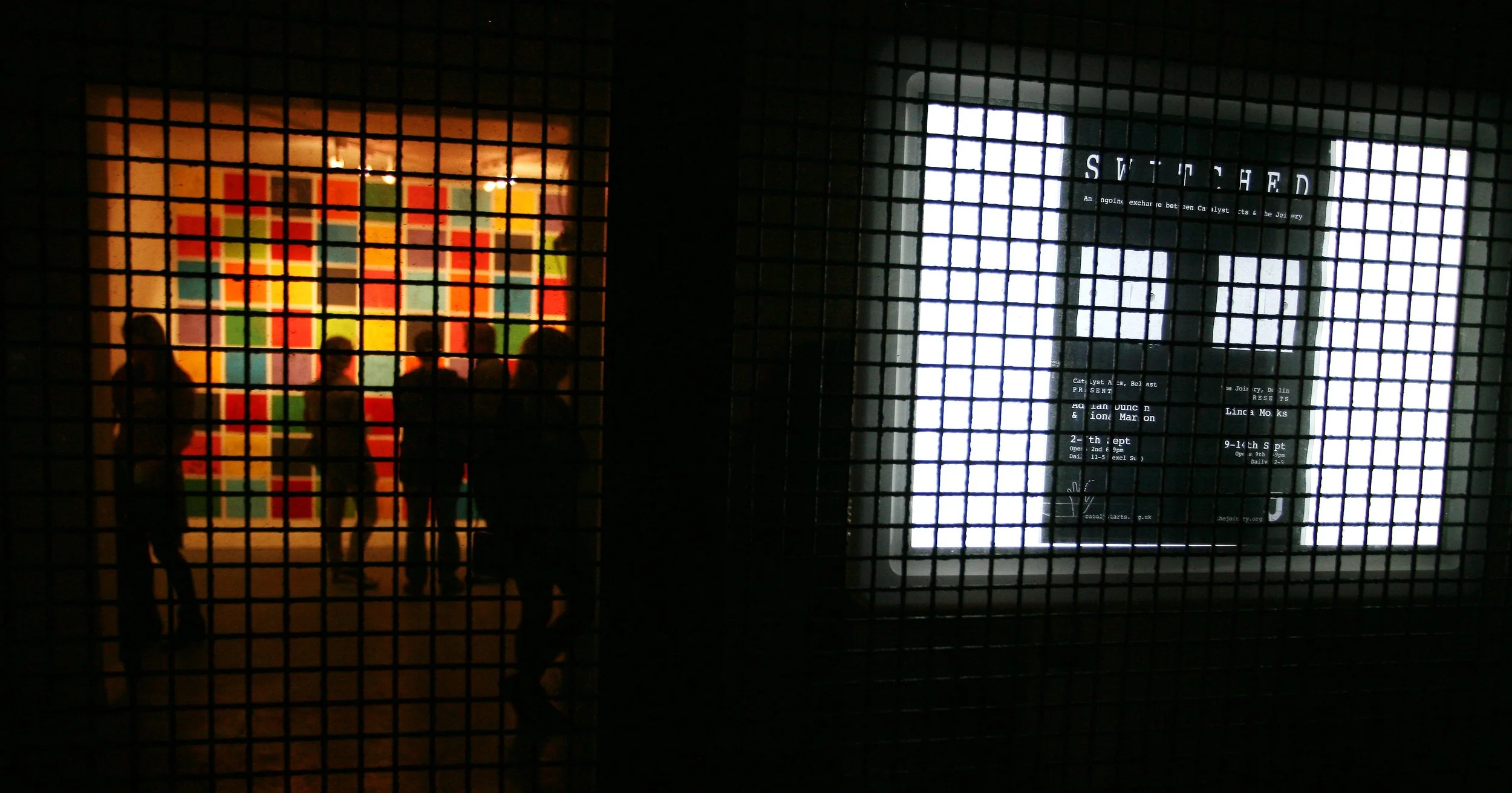
An exchange between Catalyst Arts (Belfast) and The Joinery (Dublin).
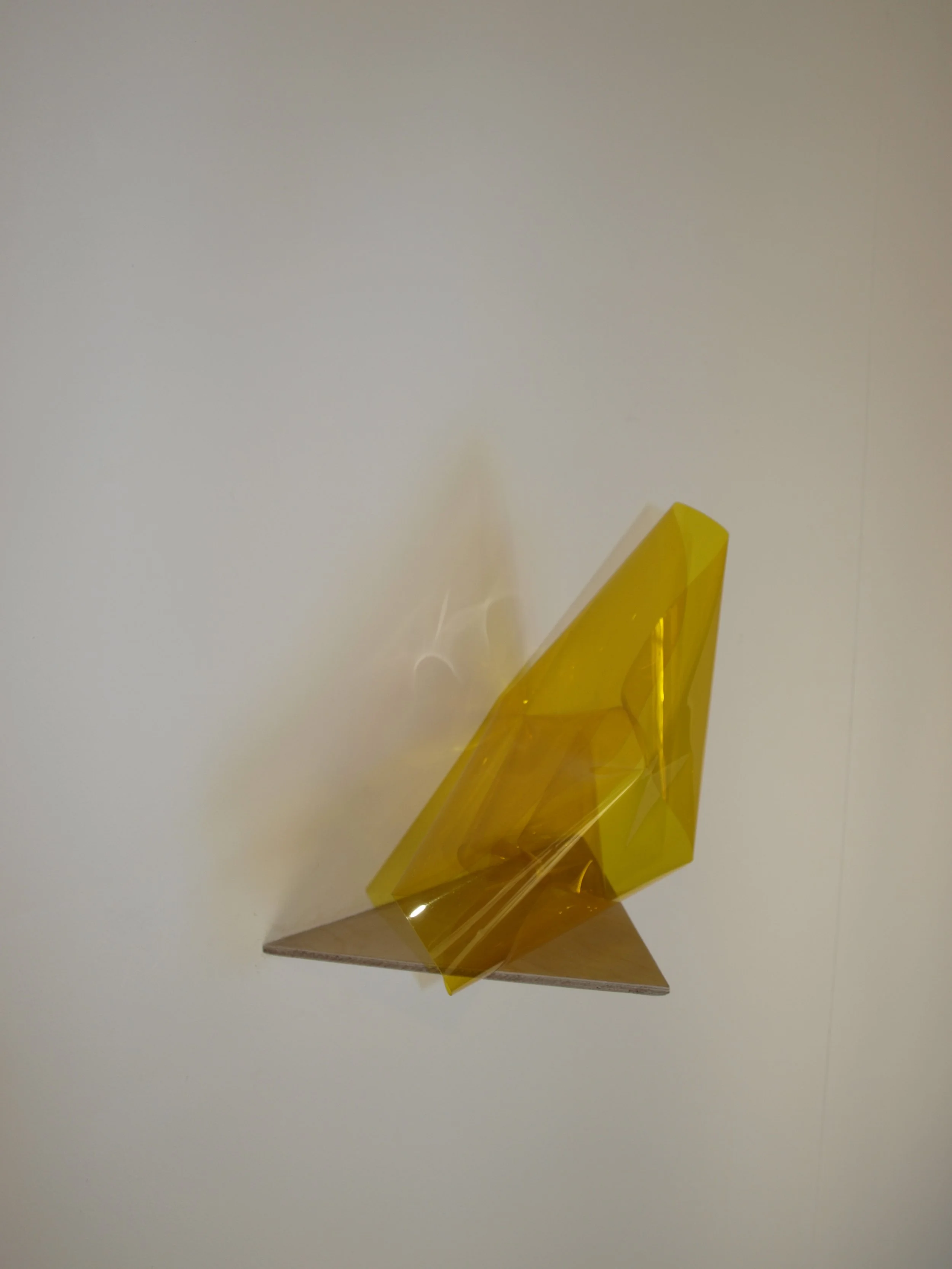
Adrian Duncan & Fiona Marron - Catalyst Arts, Belfast, 2nd September - 7th September 2010.
‘Of Process’
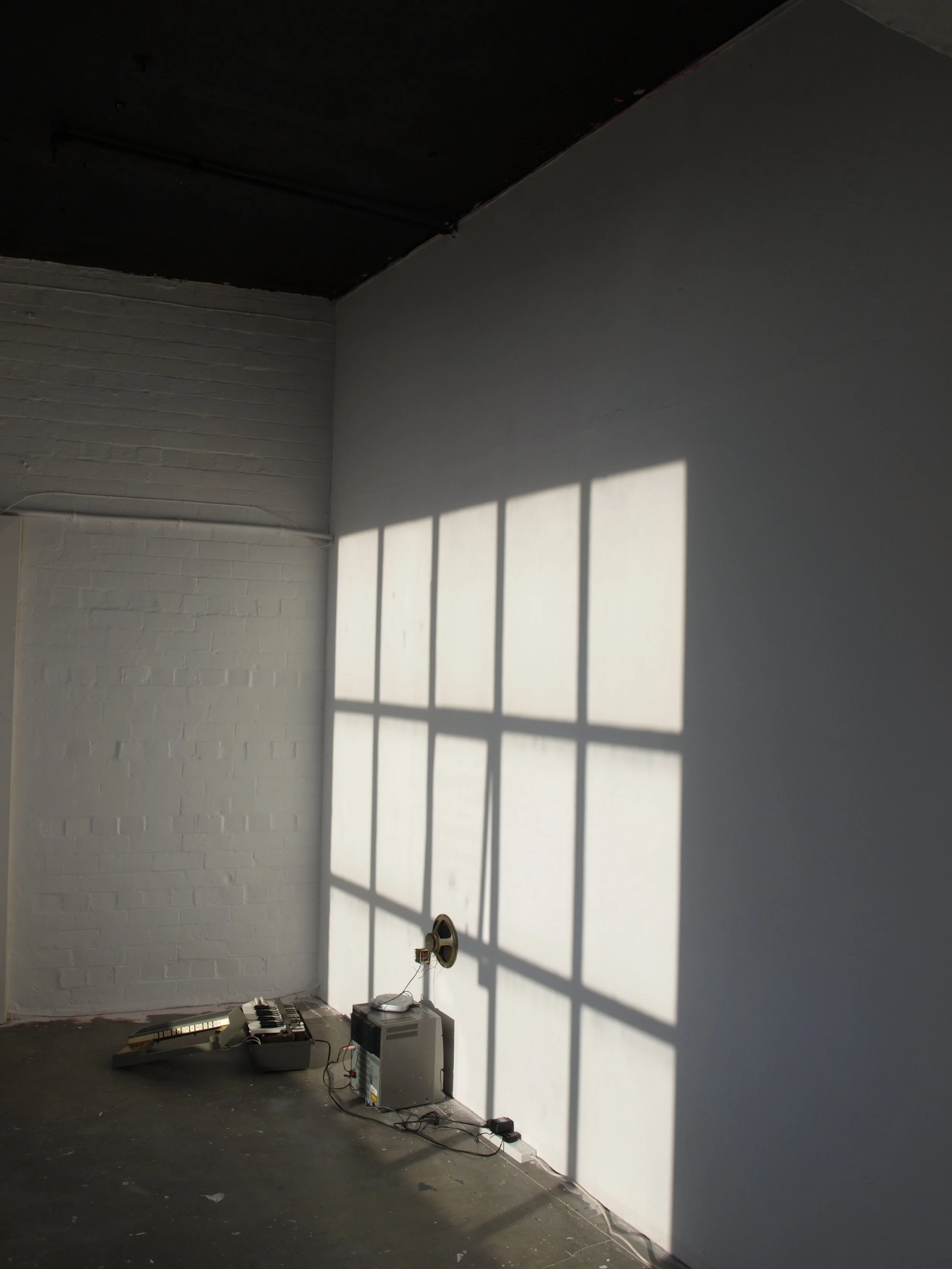
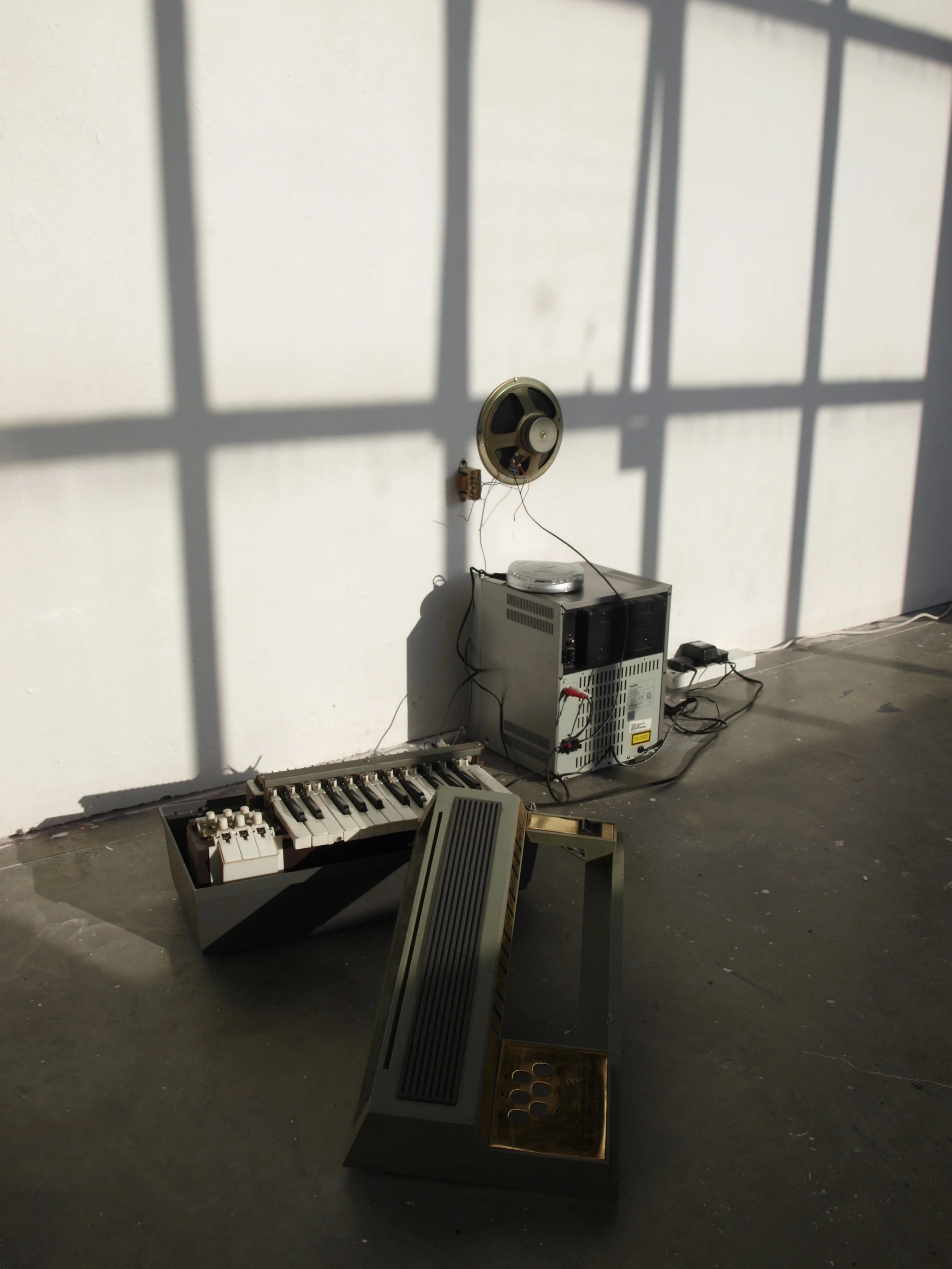
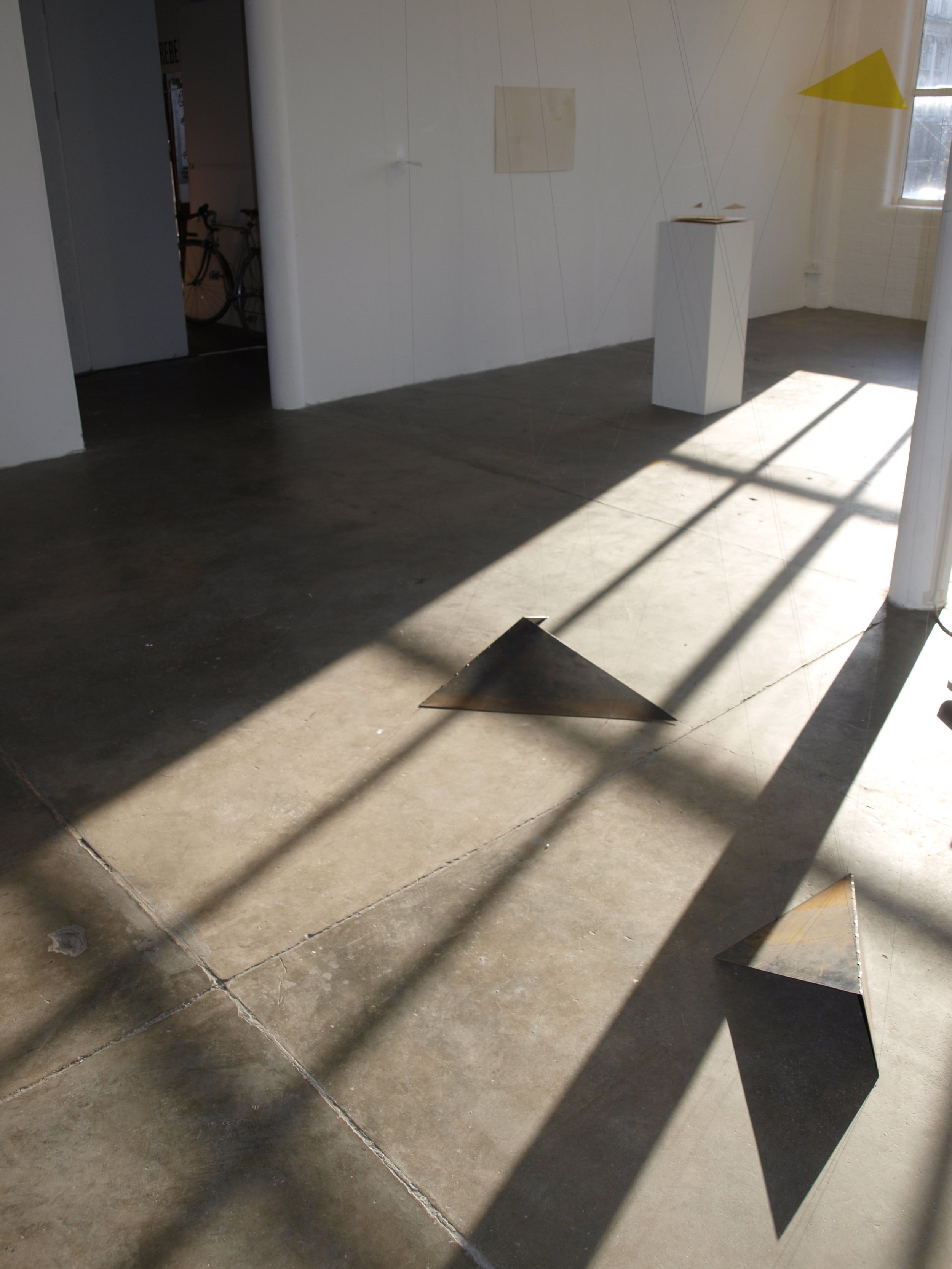
Both artists’ current work takes, as its shared root, physical, speculative and necessary human activities, which are used as tools for investigating other, less tactile, human activities and processes. These physical activities reveal a process that is used to view the less tactile processes from a different angle. Duncan and Marron share an interest in addressing the complications inherent in attempting to define such an abstract topic. In the manifestation of these ideas, metaphors are introduced that provoke thought and enquiry into our claims to knowledge.
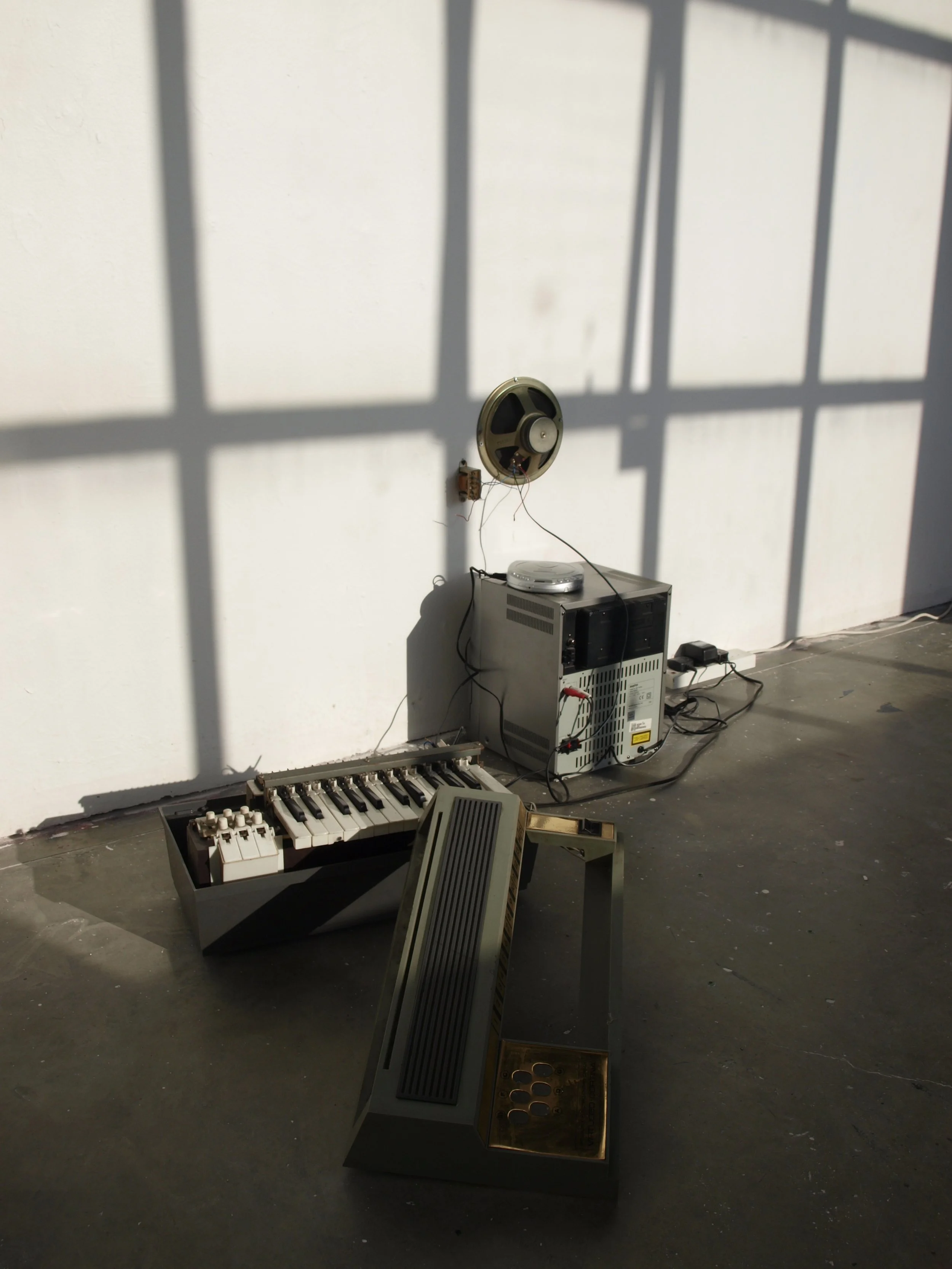
Duncan’s work overlays everyday empirical investigative activities upon less obvious processes of measurement. His work at first illustrates the flaws in this scientific method (the problem with induction, statics, etc.), particularly when applied to dynamic systems. The work attempts to marry one method of measurement with another seemingly incomapatible system, and from this, investigating how institutional structures are formed and changed. This is done with reference to Popper’s Objective Knowledge.
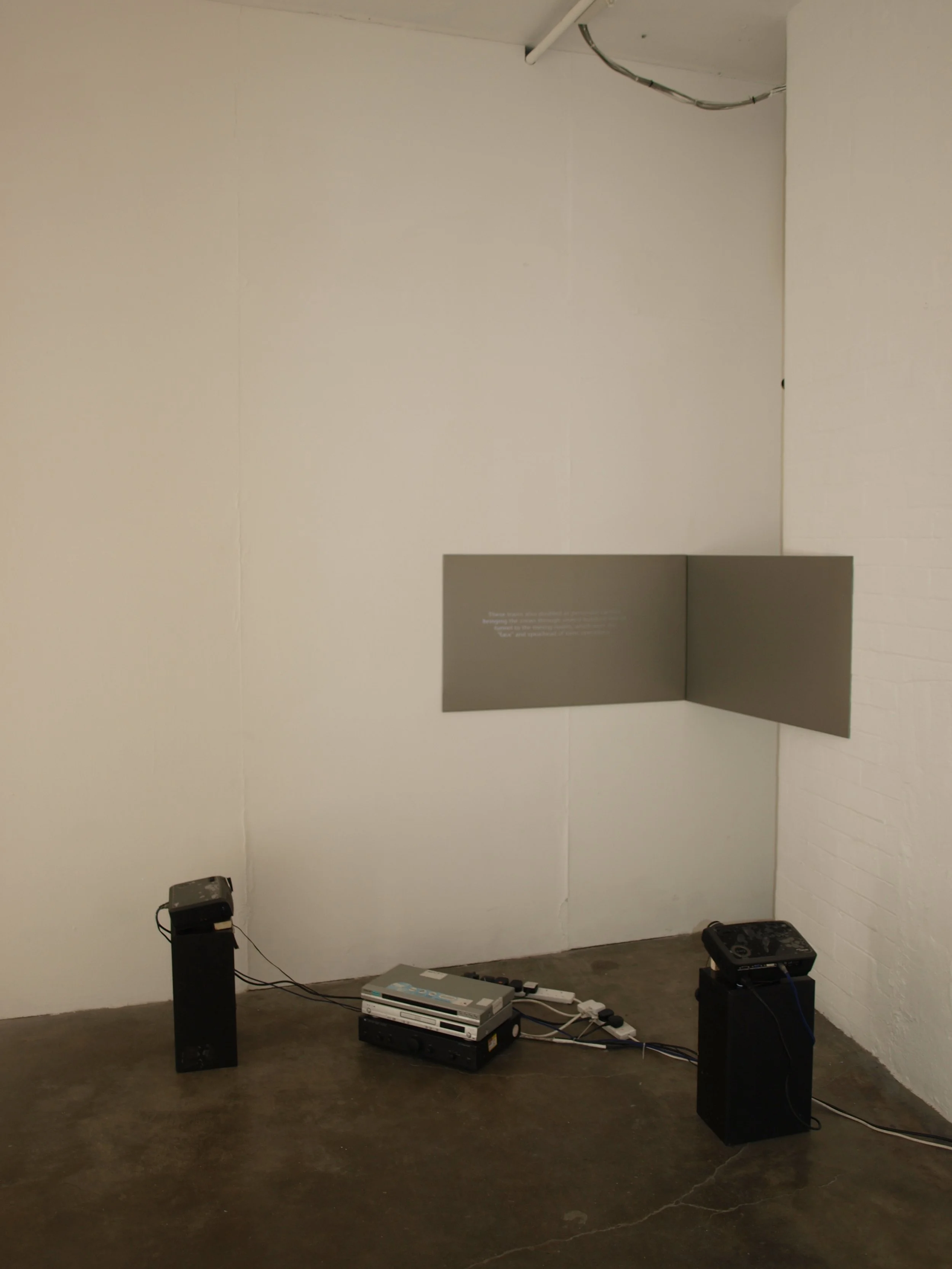
In her sculpture and video installation Marron pursues her interests in the relationships between labour, knowledge and value, using the mining industry as a model. Combining appropriated text from sociologist Alvin Gouldner’s 1954 field report of an American gypsum plant and footage from the realms of production at a present-day Irish mine, Marron examines the ‘many standpoints in terms of which the raw data of factory life can be ordered and made meaningful.’ (Gouldner 1954)
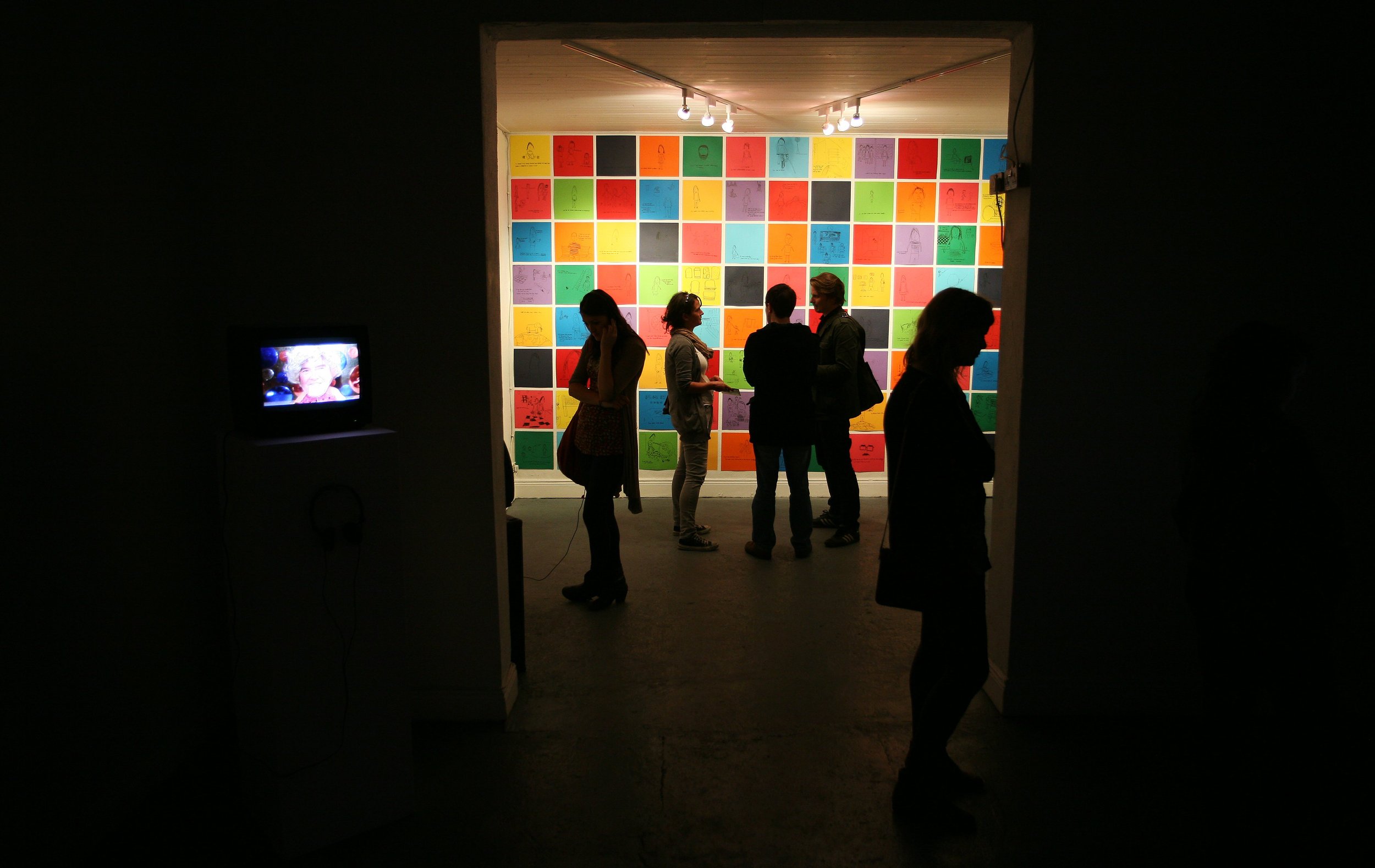
Linda Monks - The Joinery, Dublin, 9th - 14th September 2010.
Thrilled at having no epic cause to pursue, Monks makes work to entertain and amuse.
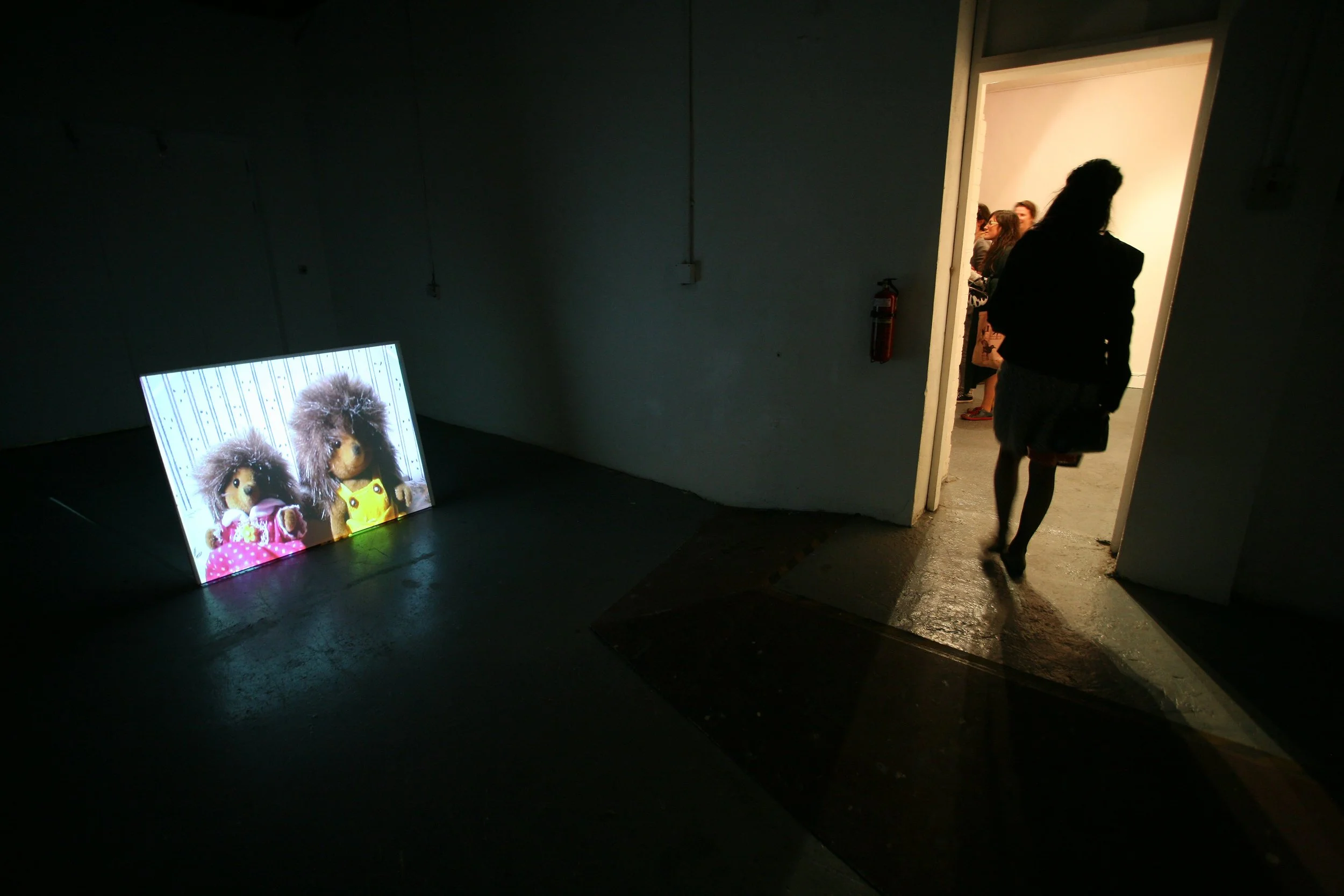
The artist’s ideas come from many sources including television, film, comic books, comedy and everyday life. She uses drawings, photography, paper, puppets, video and stop-motion animation to communicate to an audience her relationship with art and popular culture and to explore the juxtaposition of banal familiarity and idiosyncratic strangeness.
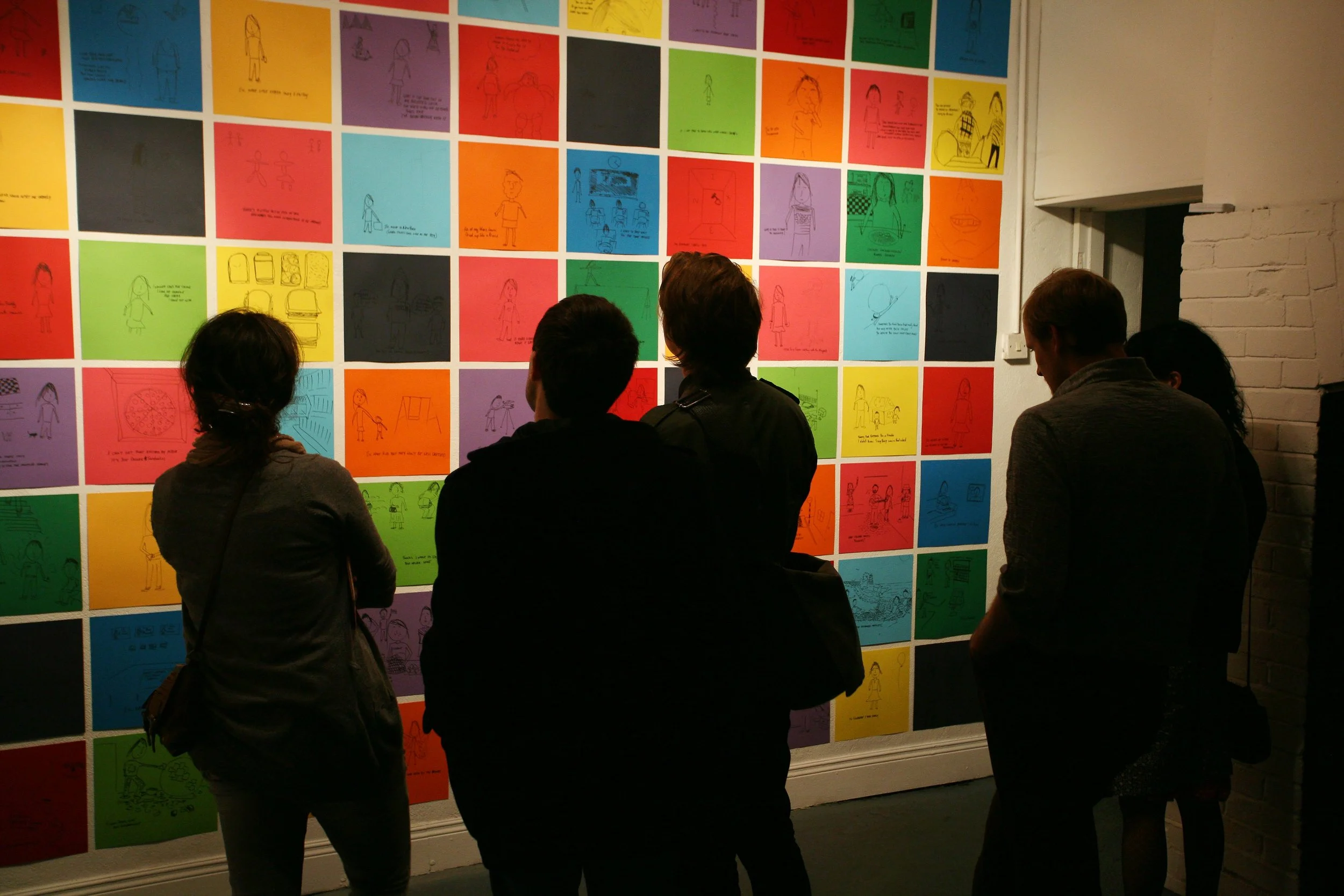
The work has a makeshift cheap aesthetic, using cut paper and pound-shop props, and using handmade puppets and sets, but its arrangement in a gallery space looks as professional and uncluttered as possible. It is in this polished presentation that the sharp and skilful wit imbued in work shines through.
A certain disillusionment or mistrust of success has been a recurrent theme in Monks’ practice and this, combined with having been intimated in the past by the concept of ‘high’ art, has resulted in a conscious shift away from making such serious work. Instead, the artist finds satisfaction in the development and presentation of what she calls her ‘silly ideas’, and the subsequent body of art produced at once entertains and intellectually engages a viewer.