A false sense
4th - 5th July 2014
Your Custom Text Here
A false sense
4th - 5th July 2014
Challenging notions of authoritarian institutional space has been at the forefront of contemporary art since Duchamp. He placed his famous 1917 work ‘Fountain’ in the gallery space, elevating the object far beyond its original purpose and completely undermining the traditionally revered setting of the gallery. While the impulse to do this has not changed for artists they have often been restricted by the establishment. Galleries like Catalyst have given artists the rare opportunity to exhibit in new, experimental ways, encouraging them to continue to question the accepted modes of exhibition.
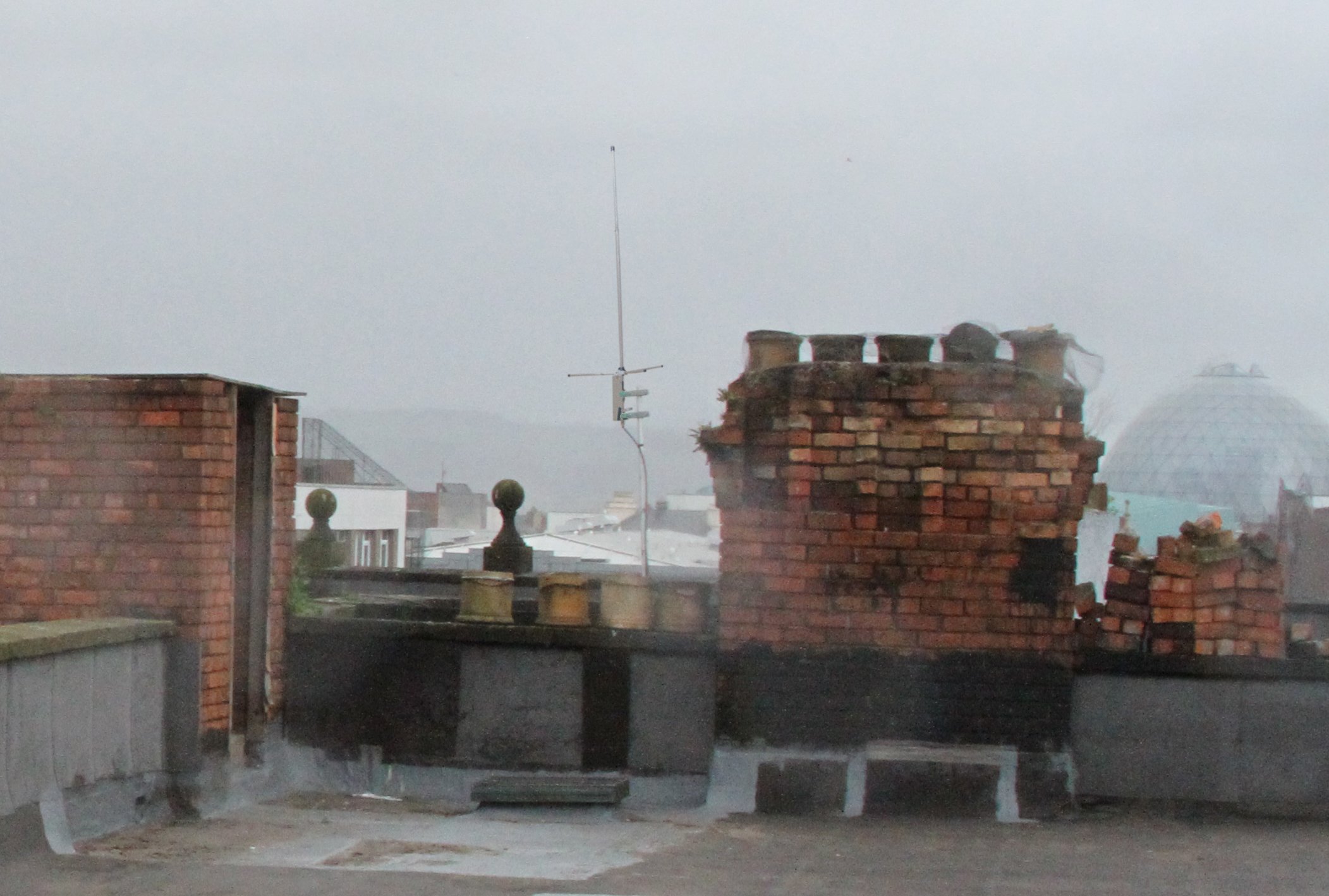
A False Sense seeks to push the expectations of the viewer further. Geographically, Catalyst is already on the periphery of the accepted ‘centre’ of the art world in London. This model for thinking about ‘peripheries’ in art means one can approach these themes with understanding of the occasionally frustrating ‘status quo’ provided by the London art world. If we begin thinking about Catalyst as the first periphery in A False Sense, we can continue along the theme that is such; we are working, exhibiting and viewing away- away from the norm, the expected and the traditional.
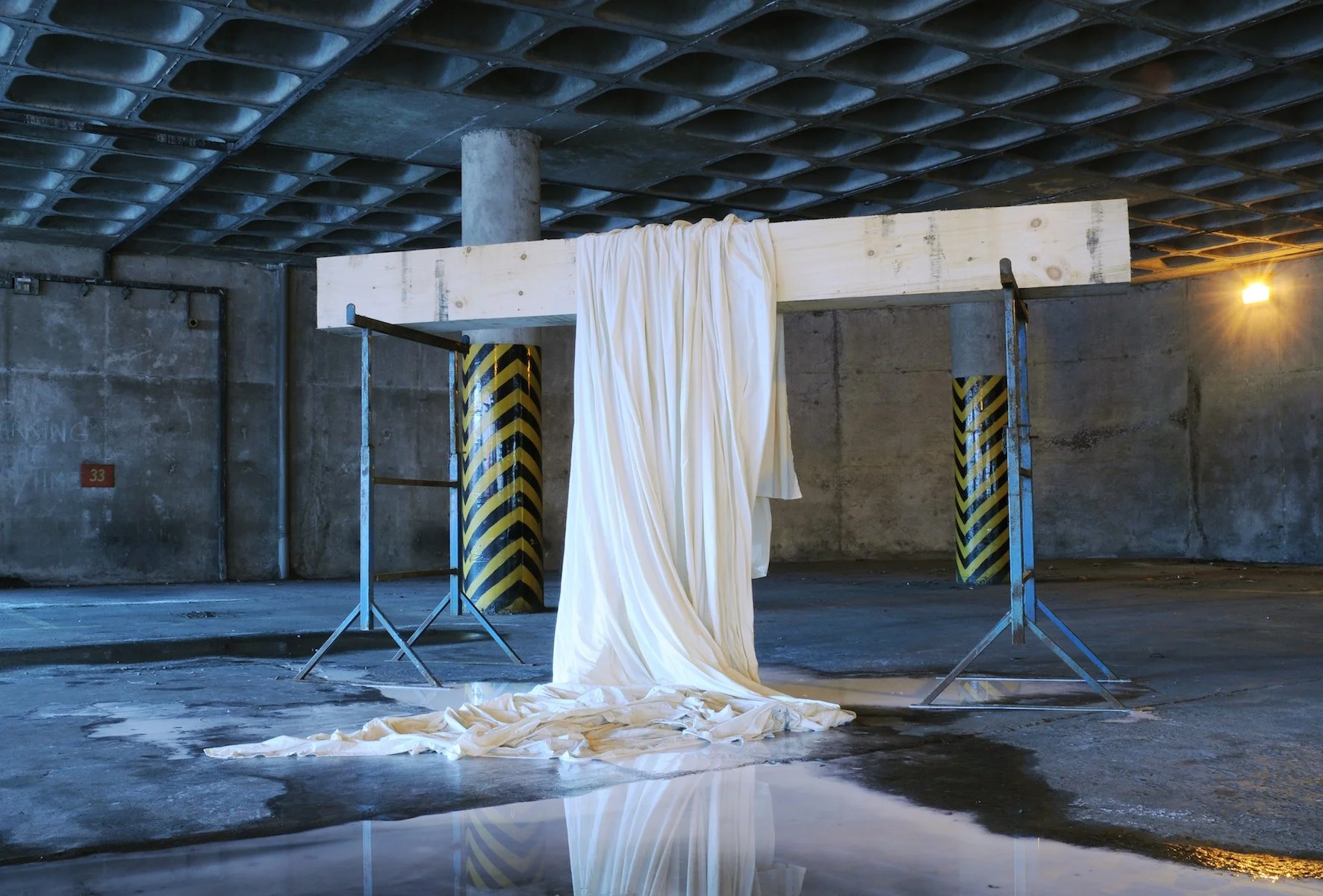
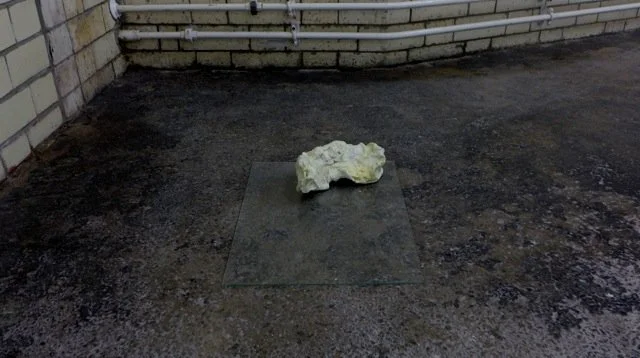
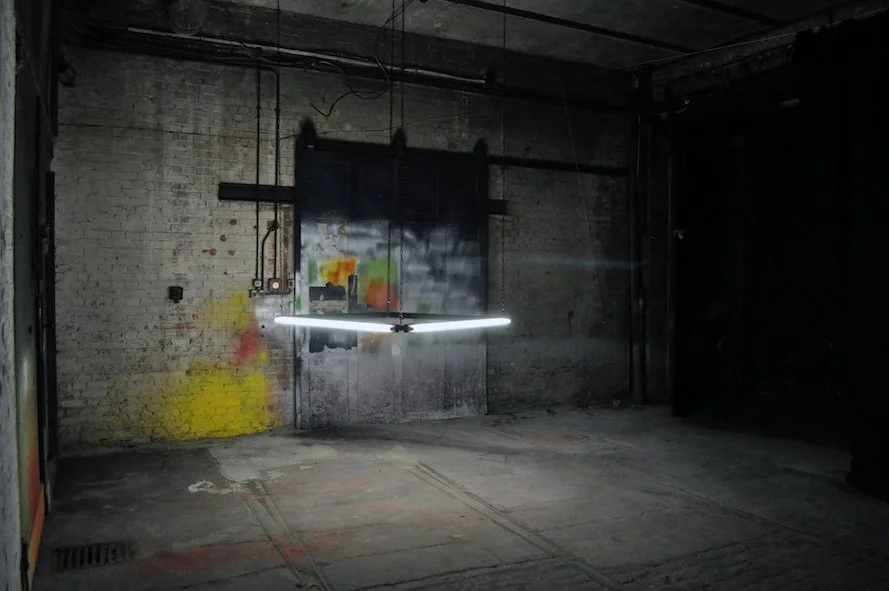
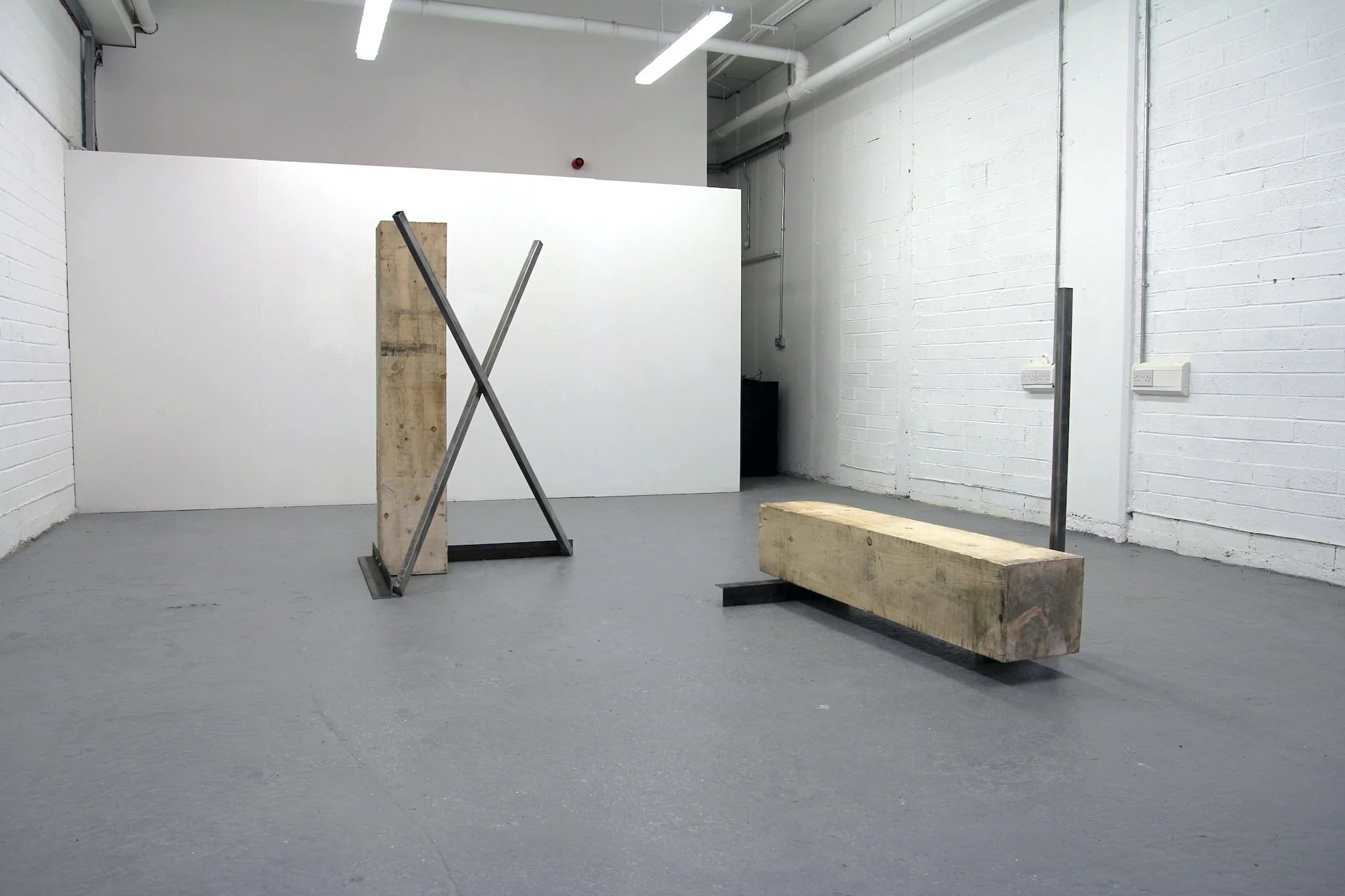
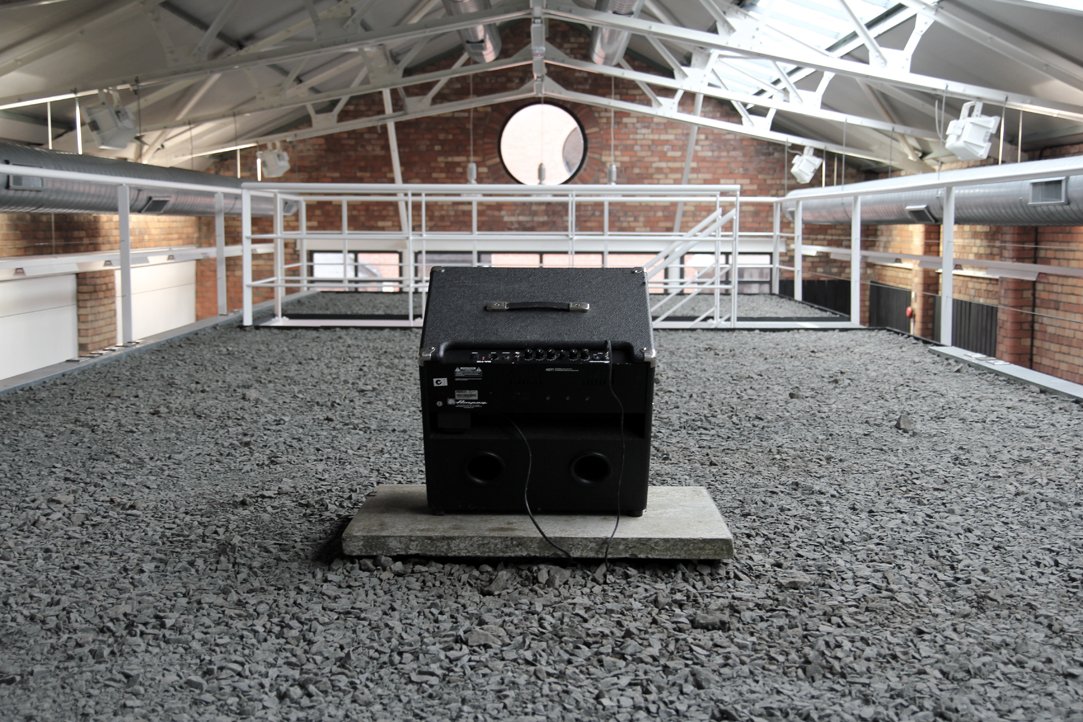
The term ‘Off Site’ is reminiscent of Robert Smithson and his writing on ‘Entropy and the New Monuments’ (1966) and a ‘Provisional Theory of Non-Sites’ (1968). Within these texts Smithson outlined his thinking on entropy and time as themes for his artwork. He was concerned with ideas of human interference on landscape and questioned which elements were needed to make a work of art. His appropriation of materials and their juxtaposition with the gallery space challenged viewers and created a dialectic between outdoors and indoors. This engagement with urban or rural landscape, and sensory art using sound and vision are carried further by Liam Crichton, Hannah McBride, Mark Orange, PRIME Collective and Tom Watt in A False Sense.
Perceptions of space seek to be challenged. The artists have been asked to respond to these ideas to create new work, that re-visit notions of site, displacement and location. Ideas of centrality and periphery surface in this exhibition and are addressed as a further distortion of the traditional gallery space. Reaching away from traditional exhibition, the selected artists respond to architecture, navigation and boundaries in order to challenge traditional forms of art creation, and the way in which it is displayed.
Each artist has approached these ideas differently, creating a varied and engaging response to the theme. No boundaries were set by Catalyst, ensuring the artists had the opportunity to create work that was not limited by traditional models for displayin a gallery space. Exhibition in this way challenges the artist, visitor and gallery equally. Expectation and comfort from the viewer will be questioned, engaging them in a conversation with questions such as: Is this art? What context does it have to be in to be considered so? How has the way in which I see this space changed? What can I take away from this experience?
All of these questions seek to undermine, and re structure pre conceived ideas about space. A False Sense is made to challenge how we move through exhibitions, ensuring involvement, provoking a direct response and continued questions.